Introduction: Recognizing the Significance of CPR Training
When it pertains to emergency situations, every second matters. Cardiopulmonary resuscitation (MOUTH-TO-MOUTH RESUSCITATION) is a crucial ability that can indicate the distinction between life and death. As you get ready for your upcoming CPR training sessions, recognizing what to expect and how to approach this essential ability is First Aid Course essential. Whether you're aiming to come to be accredited in a Child Care Emergency treatment Course or an adult-oriented CPR Course, the knowledge you acquire will certainly equip you to act properly in real-life situations.
In this short article, we will certainly explore thorough strategies on exactly how to prepare for your upcoming CPR training sessions. We'll cover whatever from picking the right training course, what materials to assess, sensible suggestions for effective knowing, and a lot more. Let's dive in!
How to Get ready for Your Upcoming CPR Training Sessions
Preparing for your CPR training session entails not just psychological readiness but additionally logistical considerations. Here are some essential steps:
1. Pick the Right Course
Before anything else, choosing the right course tailored to your demands is paramount. Are you searching for a Child Care First Aid Course? Or possibly a more general CPR Course? Take into consideration options like the hltaid012 Child Care First Aid Course Near Me, which concentrates especially on first aid for children.
- Research Options: Use on the internet resources or neighborhood health organizations. Check Certifications: Make certain the trainers are accredited professionals.
2. Understand Program Prerequisites
Most programs have prerequisites that might require prior knowledge or qualifications. As an example:
- Some programs might require conclusion of an earlier program like the hltaid009 mouth-to-mouth resuscitation Course Verify if there's any age limit or certain problems required before enrolling.
3. Gather Needed Materials
Each training course generally supplies materials like manuals or on the internet resources. Nevertheless, having supplemental materials can be beneficial.
- Look for publications on emergency treatment and CPR techniques. Consider seeing educational video clips available on platforms like YouTube.
4. Acquaint Yourself with CPR Techniques
Before attending your training session, familiarize yourself with fundamental mouth-to-mouth resuscitation techniques via various sources:
- Online tutorials Apps dedicated to first aid and CPR Practice utilizing a mannequin if possible
This pre-course direct exposure will give you a running start when hands-on training begins.
5. Exercise Mindfulness & Focus
Entering your training with a focused and calm attitude can substantially improve your discovering experience:
- Consider mindfulness methods such as reflection or deep breathing exercises. Avoid interruptions; locate a peaceful room where you can concentrate on examining material.
The Structure of Typical CPR Training Sessions
Understanding what a normal session resembles can assist demystify any kind of worries you may have.
1. Introduction and Overview
Most sessions begin with an intro that covers:

- The value of CPR Statistics connected to heart health Overview of what will be covered during the session
2. Hands-On Skills Practice
Hands-on practice is commonly one of one of the most important aspects of any kind of CPR training course:
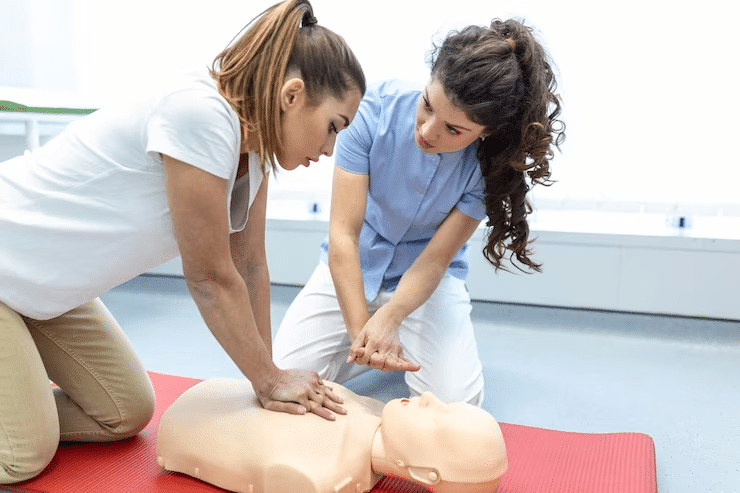
Basic Life Support (BLS) skills Choking relief techniques Using an Automated External Defibrillator (AED)These skills will certainly be exercised with mannequins and other simulation tools.
3. Situations and Role Playing
Role-playing various emergency situations aids local first aid course near me individuals apply their skills in realistic scenarios:
- Participants may mimic a scenario where someone falls down suddenly. Instructors overview individuals through each step of responding appropriately.
What You Required to Give Your Training Session
To guarantee you're totally prepared, take into consideration bringing along numerous things:
1. Individual Recognition and Accreditation Cards
Some programs might require proof of identification or previous certifications.
2. Notebooks and Writing Tools
Taking notes during talks can boost retention:
- Bring pens, pencils, and highlighters.
3. Canteen & Snacks
Staying hydrated keeps your focus sharp throughout long sessions.
Tips for Optimizing Your Understanding Experience During Training
So you've signed up in your program-- now what? Right here are strategies to make the most out of your time:
1. Engage Actively in Class Discussions
Don't shy away from asking concerns or seeking explanation when required! Engaging proactively signals teachers that you're invested in learning.
2. Connect With Fellow Participants
Building connections with others taking the very same training course supplies possibilities for group research later on.

Post-Course Steps: What Comes Next?
After completing your training course, there are essential follow-up actions:
1. Evaluation Your Skills Regularly
Practicing on a regular basis makes certain that skills continue to be fresh in your mind:
- Schedule regular monthly practice with friends or family members.
2. Keep Certifications Up-to-Date
Most certifications need revival every 2 years; don't allow yours lapse!
FAQs regarding Getting ready for Your Upcoming CPR Training Sessions
1. What ought to I wear to my CPR training session?
Wear comfy garments that permits movement considering that you'll be exercising physical skills.
2. Can I take a Day care First Aid Course online?
Yes! Lots of companies use on the internet variations of the Childcare First Aid courses; simply ensure they're accredited.
3. How long does a typical CPR course last?
Courses differ but typically range from 4 to 8 hours depending on whether they consist of added subjects like emergency treatment training.
4. Will I get qualification after finishing my training?
Most accredited training courses provide certifications upon successful conclusion; consult your teacher beforehand!
5. Is it needed to have previous medical knowledge prior to taking a mouth-to-mouth resuscitation course?
No previous clinical expertise is needed; these courses are designed for newbies along with those seeking to freshen their skills.
6. Are there any age restrictions for taking these courses?
While several courses enable participants as young as 12 years of ages, always inspect certain needs based on area or organization guidelines.
Conclusion: Embracing Preparedness With Education
As we end our expedition right into getting ready for upcoming CPR training sessions, it's clear that prep work plays an important duty in understanding life-saving skills properly! From meticulously selecting appropriate programs-- like the hltaid012 Child Care First Aid Courses Near Me-- to actively involving throughout course discussions-- every effort contributes toward coming to be skilled at providing treatment when it matters most! Outfit on your own today because preparing could save someone's life tomorrow!